Back To Blog
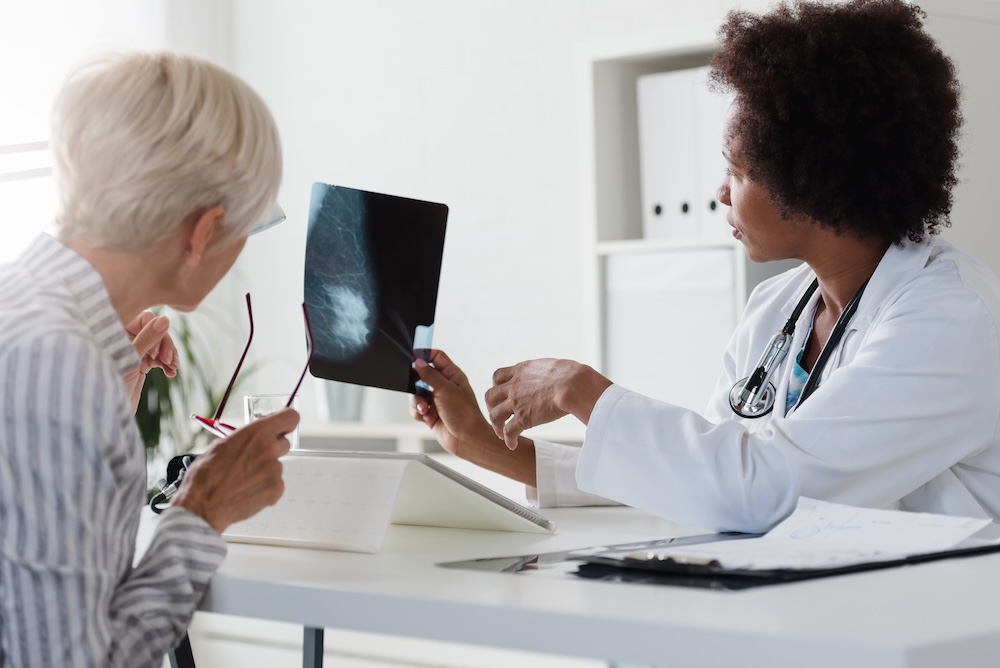
If you’ve had a mammogram and were told you have dense breasts, you may have questions about what breast density means and whether it changes your risk for breast cancer. Dense breast tissue is common and is considered a risk factor for developing breast cancer. Dense breast tissue can also affect how well a mammogram detects tumors.
Understanding your breast density can help you have a more informed conversation with your healthcare provider about your individual breast cancer risk and whether additional breast screening may be appropriate.
What Does It Mean to Have Dense Breasts?
Breast density refers to the amount of fibroglandular tissue compared with fatty tissue in the breasts. A radiologist determines breast density when reviewing a mammogram.
The American College of Radiology uses four standardized breast-density categories:
- Almost entirely fatty: The breasts are composed almost entirely of fatty tissue and very little dense tissue
- Scattered areas of fibroglandular density: There are some areas of dense tissue, but most of the breast is fatty
- Heterogeneously dense: There are many areas of dense tissue, which may make some small abnormalities harder to see
- Extremely dense: Most of the breast is dense tissue, which lowers the sensitivity of mammography
You may also find more information about breast density in your mammogram results. As of September 2024, FDA regulations require all mammography facilities in the United States to inform patients whether their breasts are considered dense or not dense. Additionally, mammography reports sent to healthcare providers must include one of the four standardized breast density categories.
If your report says that your breasts are heterogeneously dense or extremely dense, that means you have dense breast tissue. This information does not mean you have breast cancer or that you automatically need additional screening. Instead, it can help you and your healthcare provider better understand your breast cancer risk and determine if any extra screening is appropriate based on your individual risk factors.
Factors Associated with Dense Breasts
Breast density can change over time and is largely influenced by factors beyond your control. Key factors that affect breast density include age, genetics, and hormonal changes. While some women may maintain dense breast tissue for many years, others might experience a reduction in breast tissue as they age.
Some causes of dense breasts in women are:
- Genetics: Breast density often runs in families and is typically inherited.
- Weight: Women with a lower body mass index (BMI) tend to have denser breast tissue. While gaining weight might add fatty tissue to the breasts, it won’t reduce the existing dense tissue.
- Age: Dense breast tissue is more frequently found in younger women and usually decreases with advancing age.
- Hormones: Conditions that elevate estrogen levels, such as pregnancy and breastfeeding, can lead to increased breast density. Additionally, hormone replacement therapy may also contribute to this increase.
It’s important to remember that having dense breasts is not something you caused, and it does not mean you have cancer.
Does Having Dense Breasts Increase Breast Cancer Risk?
Yes, having dense breast tissue can increase your risk of developing breast cancer compared to those with less-dense breast tissue. Although researchers are still studying why there’s a connection, it’s important to note that breast density is just one factor in determining your overall breast cancer risk. Other factors include your age, family history, personal medical history, genetic factors, weight, and other lifestyle choices.
Breast density is one piece of information your healthcare team will consider when evaluating your individual breast cancer risk. A comprehensive risk assessment can help determine whether you can benefit from additional preventative screening.
How Dense Breasts Impact Your Mammogram
Breast density matters because different types of breast tissue vary in appearance on a mammogram. Fatty breast tissue generally appears darker (opaque or gray) on the image, while fibroglandular or dense tissue appears white. This difference can make it challenging for a radiologist to see certain abnormalities, which may require additional images.
This does not mean mammograms are ineffective if you have dense breasts. Mammography remains an important part of breast cancer screening, and most breast cancers can still be detected on mammograms in women with dense breast tissue. However, your doctor may suggest a 3D mammogram, which enhances the radiologist’s ability to distinguish between breast tissue and any abnormalities more effectively.
What Is Supplemental Breast Screening?
If you have dense breasts, your healthcare provider may recommend a personal risk assessment to determine if another type of breast imaging could offer additional insights. If results indicate you are at high risk, you may need supplemental breast screening options such as:
- Breast Tomosynthesis (3-D Mammography): This technique creates multiple images of the breast from different angles, producing a 3-D picture of your breast rather than the two-dimensional image generated by a traditional mammogram. Some women with dense breasts may opt for a 3D mammogram initially, as it can better differentiate between breast tissue and tumors.
- Ultrasound: A breast ultrasound uses sound waves to generate an image of your breast. This non-invasive test may be used after an irregular mammogram.
- MRI: A breast MRI uses strong magnets and radio waves to generate detailed images of your breast. It might be recommended if you have already received a breast cancer diagnosis to determine how big the tumor is, or as part of your screening plan if you are considered at higher risk for breast cancer.
To determine if additional screening is necessary, be sure to discuss your individual risk with your primary care physician.
Related Blog: What You Should Know About the Types of Breast Cancer Screening
What To Do If You Have Dense Breasts
If your mammogram indicates you have dense breasts, there is no reason to panic. Instead, use the information as an opportunity to have a conversation with your doctor about your breast health and other risk factors. Together, you can determine what your ideal breast cancer screening plan should look like.
If you don’t have a doctor, you can schedule a low-cost or free mammogram in Colorado. For more information, visit freemammogram.org.
Breast Cancer Specialists in Colorado
The oncologists at Rocky Mountain Cancer Centers encourage you to have your mammograms done regularly, according to the recommended screening guidelines.