Lung Cancer

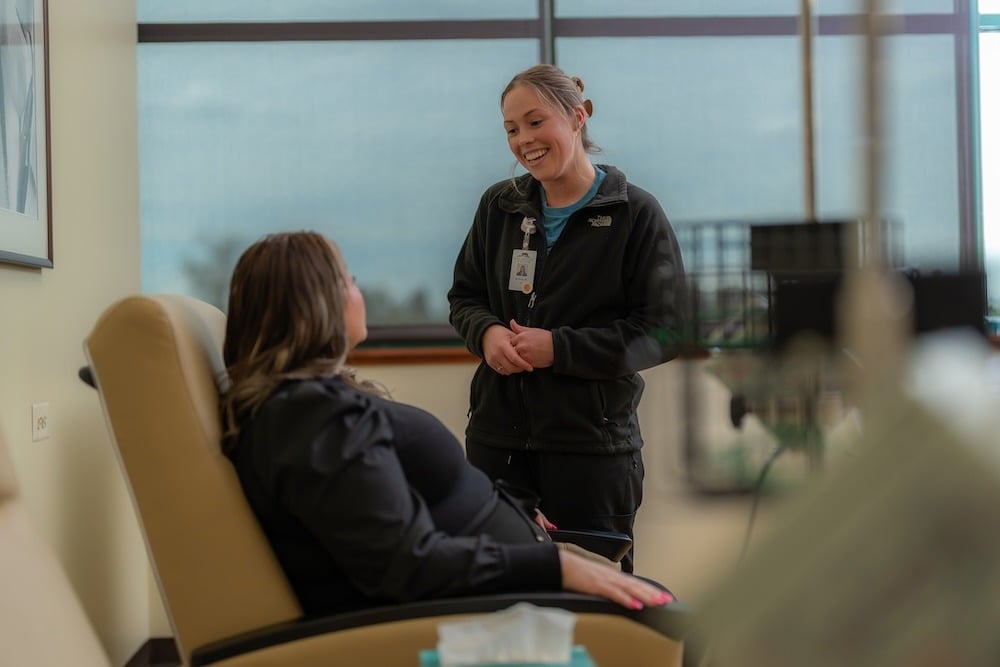
Your Courage. Our Expertise.
Your fight with lung cancer is our fight too. RMCC lung cancer specialists partner with you to create a personalized treatment plan that includes the most advanced therapies focused on your unique needs.
We are located throughout Colorado, including Denver, Boulder, and Colorado Springs.
Lung Cancer Frequently Asked Questions
In general, the sooner you can start treatment, the better. However, in most cases, you have time to review options and meet with two different oncology teams to compare their plans and determine which is a better fit for you. Most patients also need some additional tests run before treatment begins. This helps determine the extent of the lung cancer in the body and makes it possible to identify the treatments most likely to be effective. If you received a lung cancer diagnosis, feel free to schedule a consultation with one of our lung cancer doctors at an RMCC cancer center near you. Our experienced team will walk you through their best recommendation and explain the timing of treatments.
The lung cancer doctors at RMCC use the most advanced treatments and tests to determine which treatments will be most effective. Biomarker testing is one way to identify genetic mutations in patients with advanced or recurrent non-small cell lung cancer. The results of these tests make it possible to choose targeted therapies known to counteract specific genetic changes in the patient -- if any are found. Our team also meets to discuss each patient and our suggested approach to treatment before meeting with the patient based on the latest research results and treatments available. This approach ensures treatments are tailored to the individual, improving effectiveness and minimizing unnecessary side effects.
Curative treatment means that your lung cancer care team's goal is to eliminate all the lung cancer cells from your body. This is called remission and is often possible in early-stage lung cancer, especially if it hasn't spread beyond the lungs. Surgery, radiation, and systemic treatments like chemotherapy and targeted therapy are used for curative treatment of lung cancer. The goal of treatment depends on the type of lung cancer, its stage, and where it's located in the body. Your personal preference also plays an important role in determining the goal of treatment.
When lung cancer cells have spread throughout the body, your oncologist may recommend palliative treatment. This approach focuses on slowing the cancer's progression, relieving symptoms, and improving your quality of life. Another term used for this is maintenance therapy.
You and your lung cancer doctor will discuss what you prefer and which treatments are available to you that are most likely to help your specific situation.
If you've completed lung cancer treatment and are considered cancer-free, there is always a concern that it will recur. The likelihood of recurrence depends on several factors:
Type of Lung Cancer:
- Non-Small Cell Lung Cancer (NSCLC): If your initial diagnosis was in an earlier stage, you have a lower risk of recurrence, especially if they were able to completely remove the cancer with surgery.
- Small Cell Lung Cancer (SCLC): Often responds well to initial treatment but has a higher risk of recurrence, especially within the first 1–2 years.
Stage at Diagnosis:
- Early Stage (I or II): Because there was less cancer in the lung, there is a lower recurrence risk.
- Advanced Stage (III or IV): When diagnosed at a later stage, there is a higher risk of recurrence, even with a successful initial treatment. It's important to do all you can to lower your risk. If you smoke, you should take steps to stop right away.
Be sure you attend all of your follow-up appointments with the oncology team. They will run tests and scans that can identify cancer recurrence when it's still small and more manageable.
The outcome of your lung cancer diagnosis depends on several factors. While you can't control how your body responds to treatment, you can take steps to make it easier for your body to fight the cancer. This includes:
- Quit smoking: If you're a smoker, it's time to quit. It’s never too late—quitting can improve treatment response and reduce recurrence risk.
- Eat a balanced, anti-inflammatory diet: Focus on foods with no preservatives, lean proteins, low or no sugar, and plenty of water.
- Stay physically active: Gentle movement or guided exercise can maintain strength and reduce fatigue.
- Manage stress: Consider mindfulness, counseling, or support groups.
- Follow your treatment plan: Adherence to medications, appointments, and follow-ups is key.
Ask about clinical trials: RMCC offers many lung cancer clinical trials to patients who qualify. By participating in a trial, you may be able to access promising new therapies that are not yet widely available.
Our financial counselors will review your insurance plan's cancer benefits and then meet with you to discuss what will be covered and any out-of-pocket expenses. It's important to note that receiving cancer care at an independent cancer center like Rocky Mountain Cancer Centers results in a lower cost for patients when compared to cancer care at hospital outpatient departments. According to the Community Oncology Alliance, cancer treatment can cost up to 50% less in an independent oncology practice compared to a hospital-affiliated outpatient department.
Receiving affordable cancer care does not mean compromising on quality. We provide the same quality of care as hospital-affiliated oncology departments using advanced technologies and personalized treatments at a more affordable price.
Clinical trials offer access to new treatments for lung cancer that aren't widely available yet. RMCC participates in several lung cancer clinical trials, providing patients with opportunities to explore innovative treatments. Not every patient qualifies, but we are happy to review options for you and make a recommendation for participation if you qualify for one or more trials. Talk with your oncologist about whether a trial may be right for you.
For over 30 years, RMCC has been a leader in delivering world-class cancer care to patients across Colorado. Our physicians and advanced practice providers were trained in the most renowned cancer centers in the United States and beyond, bringing their expertise to you. They are dedicated to being innovative and forward-thinking, never settling and always seeking the right treatment for their lung cancer patients. Meet our lung cancer specialists.
Helpful Information About Lung Cancer from Our Blog
Lung Cancer Surgery: What to Expect
Although lung cancer is still a common form of cancer among both men and women, there is more hope than ever before for patients with this disease....

How is Lung Cancer Diagnosed and Treated?
If your doctor requested more tests after a lung cancer screening, a chest x-ray for another medical condition that showed something unusual, or...

What You Should Know About Lung Cancer Treatment Side Effects
One of the first questions most patients have after a lung cancer diagnosis is, “What are the side effects of treatment?” It’s normal to have...

How to Tell If Your Lung Cancer Has Returned
You likely feel excited and relieved if your lung cancer is in remission. But there may also be a hint of concern that it will return. While it would...

Can You Recover From Stage 4 Lung Cancer?
The severity of lung cancer is described by its stage ranging from stage 1, which is early-stage, to the most advanced stage, which is stage 4....
Lung Cancer Gene Mutations: What Are They and How Do They Affect Treatment?
Lung cancer is not typically an inherited condition. For nearly all patients, lung cancer is caused by long-term exposure to smoke, radon, or other...
Lung Carcinoid Tumors: Are They Lung Cancer?
Lung carcinoid tumors, often referred to as just “lung carcinoids” are a rare type of lung cancer, comprising only 2% of all lung cancers. This...

When is Radiation Therapy Used to Treat Lung Cancer?
There are many different approaches used to treat lung cancer depending on the specific type, stage, and location of the tumor(s). Surgery, radiation...
RMCC Lung Cancer Survivor Stories of Inspiration

One Day Can Change Your Life: A Cancer Diagnosis of Unknown Primary
After a decade working in real estate in New York and four years homesteading off the grid in California, Darryl Baptiste came to Colorado in May of...

The US Oncology Network Keeps Cancer Patient Moving During Treatment
Stage Four Lung Cancer Patient is on the Ride of a Lifetime

Let’s Be More Loving, Hopeful, and Optimistic: There’s Hope for Stage 4 Cancer
Diagnosed with colon, liver, and lung cancer at the young age of 59 and given the bleak prognosis of three years of survival, Jeff discovered what...

Can You Get Cancer More Than Once?
Yes. And Bernice Radakovits Is Living Proof That You Can Beat Cancer – Again and Again
Bernice Radakovits had already faced down cancer three times...

A Good Blend of Reality and Optimism: What It’s Like Participating in Clinical Trials for Cancer
When Deb* first received her cancer diagnosis, she didn’t think she would see her next birthday. And now, four months later, Deb hit another...
Cancer Remission: An Obsolete Goal?
Cancer survivor Carol Levey has strong feelings about a phrase most cancer patients long to hear.
“I think they should take the word ‘remission’ out...