Melanoma Cancer
Colorado’s Leading Melanoma Specialists
If you have been diagnosed with melanoma, the oncologists at Rocky Mountain Cancer Centers (RMCC) are here to provide you with expert, personalized care you can trust. For over 30 years, we have used the latest treatments and offered access to emerging therapies through clinical research trials. However, our team goes beyond providing the most advanced skin cancer treatments available today. We are with you every step of the journey, offering compassionate, individualized care and support.
If you need additional treatment after surgery for melanoma, or if surgery is not a treatment option, you can access comprehensive melanoma care at one of our cancer centers located throughout Colorado, including Denver, Colorado Springs, Pueblo, and Boulder.
Your Courage. Our Expertise.
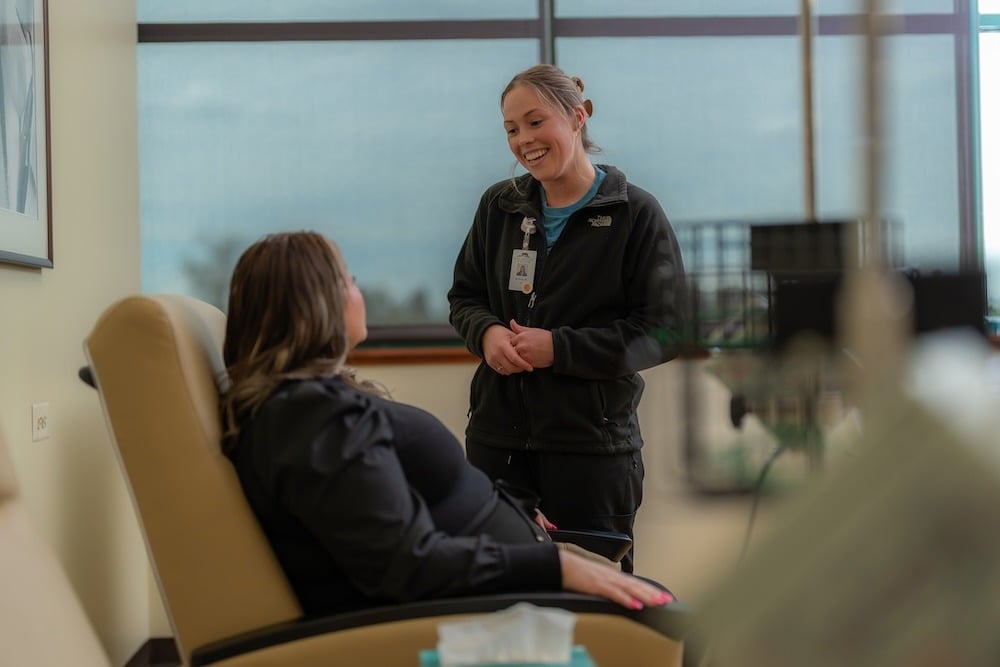
A melanoma diagnosis can feel overwhelming, but you don’t have to face it alone. At RMCC, you receive more than expert melanoma care. You are connected to an entire team of oncologists and supportive care staff dedicated to your care. While we focus on treating melanoma, we also care for the whole person by supporting your physical, emotional, and mental health needs.
What Is Melanoma?
Melanoma is a type of skin cancer that develops in melanocytes, the cells responsible for producing melanin, the pigment that gives skin its color. While melanoma is less common than non-melanoma skin cancers, including basal cell and squamous cell skin cancers, it is more likely to invade deeper layers of the skin and spread to other parts of the body if not detected and treated early.
The good news is that melanoma is highly treatable when found in its earliest stages. Regular skin checks, awareness of changes in moles or pigmented lesions, and prompt evaluation of suspicious spots can help lead to earlier diagnosis and better outcomes.
Signs and Symptoms of Melanoma
Melanoma often begins as a new spot on the skin or a change in an existing mole. If you notice any of the following, schedule an appointment with a physician, such as a dermatologist or primary care provider. Patients should watch for the ABCDE warning signs:
- A – Asymmetry: One half of the mole does not match the other in shape or size.
- B – Border: The edges are irregular, ragged, or poorly defined rather than smooth and round.
- C – Color: The spot has multiple colors or uneven coloring.
- D – Diameter: It is larger than 6 millimeters (about the size of a green pea), although some melanomas can be smaller.
- E – Evolving: The spot is changing in size, shape, color, or appearance.
Melanoma doesn’t always appear in an area where you’ve had a lot of sun exposure. This is why you should regularly check all areas of your skin, including the soles of your feet and the palms of your hands.
In addition to changes in moles or other skin spots, melanoma may cause itching, bleeding, tenderness, or a sore that does not heal. Although these signs can have many causes, it’s important to have any suspicious skin spot evaluated by a physician.
How Melanoma Is Diagnosed
If a suspicious spot is identified, you may have a skin biopsy. During a biopsy, all or part of the spot is removed so it can be examined under a microscope to see if cancer cells are present. If cancer is found, the biopsy report will provide important information about your specific type of skin cancer. You may also have biomarker testing to identify genetic changes in the cells that can be targeted with drug therapy.
Understanding Melanoma Stages
Melanoma is staged based on factors such as tumor thickness, ulceration, whether cancer cells have spread to nearby lymph nodes, and whether cancer is growing in any other areas of the body. Staging helps your oncologist develop the most effective treatment approach for you.
Melanoma Treatment Options
Treatment depends on the stage and characteristics of the cancer. Many people with early-stage melanoma are successfully treated with surgery alone. Your dermatologist or other diagnosing physician may recommend additional surgery depending on how deeply the cancer has invaded the layers of skin. If your melanoma is more advanced, additional treatments may include immunotherapy, targeted therapy, radiation therapy, or other advanced treatments.
Helpful Information About Skin Cancer from Our Blog

Understanding and Managing Lymphedema
If your cancer treatment plan included lymph node removal or radiation therapy, you might be experiencing swelling in the area that causes discomfort...
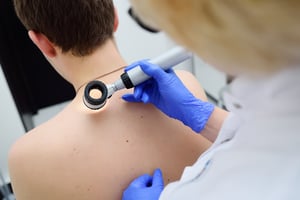
What Does Skin Cancer Look Like? And Other Common Questions
Author: Patrick Eulitt, MD
Covering the entire body, the skin is your largest organ. So it’s not surprising that skin cancer is the most common type...

How to Practice Sun Safety After Melanoma
Author: Patrick Eulitt, MD
Melanoma is a commonly diagnosed type of skin cancer, with cases rising steadily in the last 30 years. It’s more important...

Skin Cancer Knows No Season
It is one of the most preventable forms of cancer, yet skin cancer is, by far, the most common type of cancer — and its numbers are growing....
Why Choose Rocky Mountain Cancer Centers for Melanoma Care?
At RMCC, our multidisciplinary team develops personalized treatment plans based on your specific type of skin cancer, its stage, and biological makeup. This means your treatment plan is customized to your unique needs. We provide you the most advanced therapies, access to clinical trials, and support.
If you were recently diagnosed with melanoma, request an appointment with one of our skin cancer oncologists, who will provide a recommended treatment plan. Second opinions are also available.